Fairfax’s Total Vehicle Protection Center
Most shops sell a single service. APS builds a coordinated protection plan — so your vehicle stays cleaner, resists damage, and holds value longer.
Positioning Document
The APS Protection Ecosystem™
Most automotive shops are built around one discipline — tint, detailing, coatings, accessories, or repair. Each discipline requires its own tools, training, process control, and quality standards. APS is structured differently: we operate as a coordinated vehicle protection facility designed to manage protection as a system, not as isolated one-off services.
What the Ecosystem Is
The APS Protection Ecosystem™ is a coordination model. It exists to ensure protection is planned, sequenced, and maintained so each layer supports the next. The system connects the services that preserve a vehicle’s:
- Structure & steel — corrosion prevention and rust remediation before protection layers
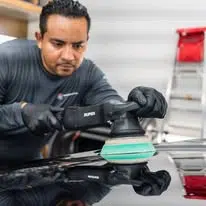
- Paint & exterior surfaces — decontamination, correction, and surface defense systems
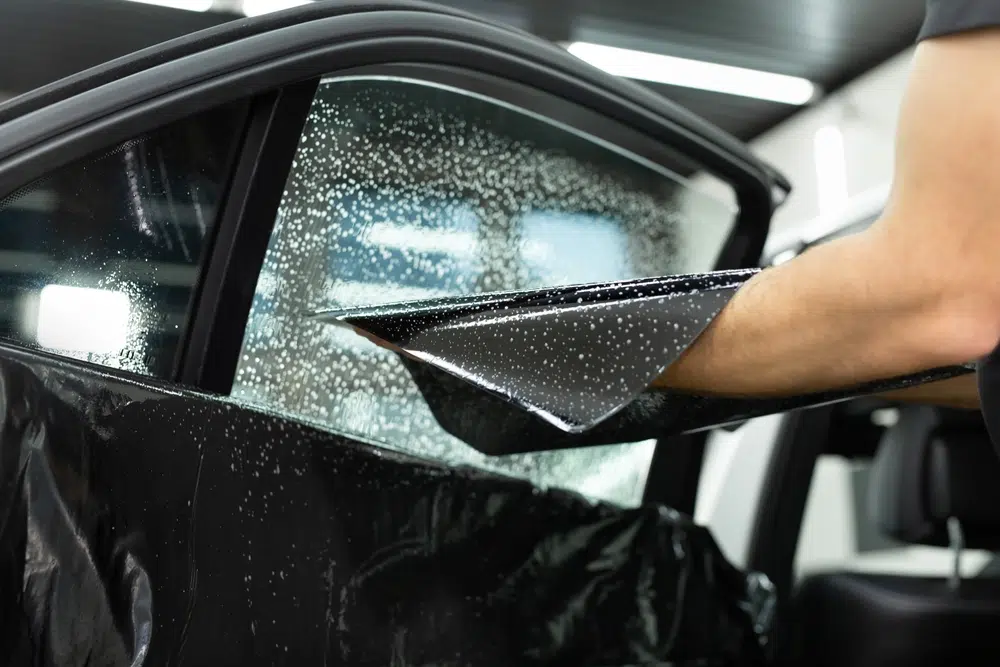
- Glass & driving comfort — film selection, optical clarity, and controlled installation standards
- Interior materials — maintenance cleaning to reduce salt/grime-driven wear over time
The objective is consistent: reduce long-term damage from Northern Virginia’s salt, brine, moisture, heat, and daily driving exposure while preserving appearance, usability, and resale value.
How the Ecosystem Works
APS is not a single-service shop that “added” other offerings. We operate as a coordinated protection facility: we identify what fails first, choose the correct protection layers, and sequence the work so each step reinforces the next.
Core Services Executed In-House
-
Undercoating & Rustproofing
Undercoating & Rustproofing Page →
Structural defense layer for steel and exposed underbody surfaces against Northern Virginia salt, brine, and moisture. -
Rust Remediation (When Needed)
Corrosion stabilization is handled before protection layers when present, so materials bond correctly and protection remains durable. -
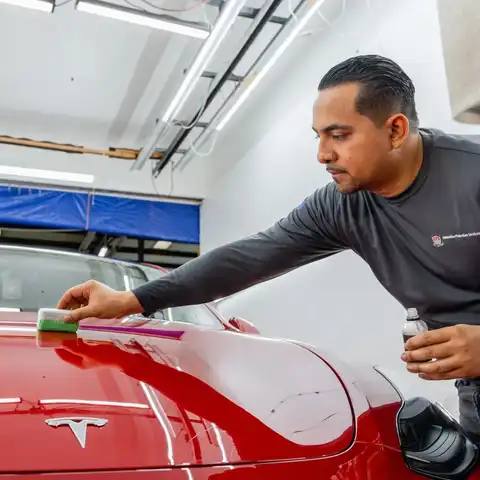
Ceramic Coatings
Ceramic Coating Page →
Surface protection layer installed after proper wash, decontamination, and correction — designed to reduce chemical/road-film attachment and simplify maintenance. -
Interior + Exterior Detailing
Detailing Page →
Decontamination and maintenance control: removes salt in carpets, embedded grit, industrial fallout, and road film that accelerate wear over time. -
Window Tint
Window Tint Page →
Optical comfort + UV control layer: reduces glare and sun load while preserving interior materials through film selection and controlled installation standards.
Reference links:
Areas Served → ·
Blog →
Strategic Partner Services (Coordinated Inside the Plan)
Some protection layers are delivered through trusted specialists. APS coordinates these steps so the vehicle remains inside a single protection roadmap with consistent standards, sequencing, and accountability.
-
Spray-In Bedliners (coordinated through a LINE-X strategic partner)
Spray-In Bedliner Page →
Utility defense layer for impact/abrasion zones. APS coordinates the scope and sequence so bedliner work supports (not conflicts with) corrosion prevention and long-term durability. -
Paint Protection Film (PPF) (performed off-site through a dedicated installer)
Paint Protection Film Page →
Impact-zone defense layer. APS coordinates prep and downstream protection (coatings/maintenance) so film performance and finish quality remain consistent over time.
Integration Rules (Why Coordination Wins)
- Sequence is non-negotiable: decon/correction before coating; corrosion stabilization before corrosion protection.
- Compatibility control: products and processes are chosen to avoid cross-contamination, bonding issues, and rework.
- Documentation clarity: warranty requirements and maintenance timing stay organized and traceable.
- Lifecycle planning: protection is managed across seasons and years — not treated as a one-time event.
More about APS:
About Us → ·
Convenient Auto Service → ·
Accessories →
APS Protection Ecosystem™ — Authority FAQs
What is the APS Protection Ecosystem™?
The APS Protection Ecosystem™ is a coordinated vehicle protection framework that treats protection as an integrated system. APS plans, sequences, and maintains corrosion control, surface preparation, coatings, film installation, and maintenance so each layer supports the next over time — rather than functioning as isolated one-off services.
How is a coordinated protection facility different from a typical shop?
Most shops are built around one discipline (tint, detailing, coatings, accessories, or repair). A coordinated protection facility aligns multiple disciplines under shared standards, sequencing rules, and compatibility controls — operating from one roadmap and one accountable plan for long-term outcomes.
What does “sequencing” mean in real life?
Sequencing means the order of work is chosen to protect bonding, surface condition, and long-term performance. For example: decontamination and correction occur before coatings; corrosion stabilization occurs before corrosion protection; and protection layers are installed so later services do not compromise earlier ones.
Why does compatibility matter between services?
Different products and processes can interfere with each other (bonding issues, contamination, trapped moisture, premature failure). APS reduces risk by selecting compatible materials, controlling prep standards, and planning services to prevent conflicts and rework.
Why does a holistic protection strategy matter for modern vehicles?
Modern vehicles combine complex materials and finishes — including advanced clearcoats, plastics, glass coatings, and corrosion-prone seams. A holistic strategy ensures corrosion control, surface protection, UV defense, and maintenance planning are coordinated so no layer undermines another, and the vehicle holds up better in real-world use over time.
Can I do only one service, or do I need a “package”?
You can do a single service. The Ecosystem framework simply ensures that even one service is planned in context — based on exposure risks, vehicle condition, and what protection layers may be added later.
How does APS decide what protection path is right?
APS uses three inputs: (1) vehicle condition, (2) exposure profile (winter salt, daily commuting, work use, outdoor parking), and (3) owner intent (short-term resale vs long-term keep). From there, APS selects layers and sequencing that match real-world usage.
Does APS do everything in-house?
APS executes core protection services in-house and coordinates select partner services when specialization improves outcomes. Partner steps remain inside the APS roadmap so prep, sequencing, and maintenance standards stay consistent.
Is protection a one-time install or an ongoing plan?
Long-term protection is a maintenance discipline. Conditions change (seasons, mileage, wash habits, exposure), so the Ecosystem model supports periodic checkups and upkeep to preserve performance over years.
Facility Standard — Undercoating Team Perspective
“Long-term protection is not one product — it’s preparation, sequence, and consistency.”
— APS Undercoating Team
- Preparation controls outcomes: removing brine, grime, and moisture is foundational to adhesion and long-term performance.
- Inside the frame matters: cavity protection targets hidden seams where corrosion typically begins.
- Sequencing prevents rework: the order of steps protects bonding and reduces contamination risk.
- Maintenance preserves results: periodic inspections and touch-ups keep protection layers working year after year.
Protection Systems & Material Standards
APS does not select products based on trend or price. Materials are chosen for durability in Northern Virginia exposure conditions, compatibility with adjacent protection layers, serviceability over time, and manufacturer-backed performance data.
Corrosion Defense Systems
Structural protection materials are selected for creep behavior, moisture displacement, cavity penetration, and long-term corrosion resistance.
-
Noxudol (underbody + cavity wax systems)
Manufacturer — Auson → -
Woolwax® (lanolin-based corrosion protection)
Woolwax USA →
Surface & Film Systems
Surface protection materials are selected for optical clarity, UV rejection, chemical resistance, and compatibility with maintenance processes.
-
3M™ Automotive Window Films
3M Official Site → -
SunTek® Automotive Films
SunTek Films → -
Autobahn Window Films
Autobahn Window Films → -
IGL Coatings (ceramic coating systems)
IGL Coatings → -
LINE-X® (spray-on bedliner systems via strategic partner)
LINE-X Official Site →
From the Owner’s Desk — Why This Matters
Cars and trucks today are expensive; they deserve protection that’s thoughtful and long-term.
When I first took over APS, we offered some — but not all — of the services we provide today. What has always connected them is protection: protection against rust and corrosion, UV oxidation, diminished resale value, and even protection for ourselves and our families against discomfort, poor visibility, and long-term sun exposure.
As time went on, we improved what we offered. Products evolved. Chemistry improved. Real-world experience refined our methods. We integrated new technologies and strengthened existing services — not to add more, but to do better.
The APS Protection Ecosystem™ is the result of years of refinement and hands-on experience. It reflects how we believe vehicles should be protected — carefully, deliberately, and with the long view in mind.
We’re proud of what we’ve developed. We believe in it because we’ve seen it work.
If you ever have questions about how our services layer, integrate, or protect — just ask.
Owner, Automotive Protection Services
Fairfax, Virginia
What “Ecosystem” Means in Real Life
The APS Protection Ecosystem™ is not theoretical. It translates into a practical, repeatable protection path based on vehicle condition, exposure profile, and long-term ownership intent.
1. Inspect
Evaluate corrosion presence, surface condition, interior wear, and environmental exposure history.
2. Stabilize
Address active corrosion, contamination, or surface defects before protection layers are applied.
3. Protect
Install the appropriate combination of corrosion defense, surface protection, tint, or utility layers — in the correct sequence.
4. Document
Maintain records of protection layers, inspection intervals, and maintenance requirements.
5. Maintain
Re-evaluate annually. Refresh vulnerable areas. Adjust plan as exposure and usage change.