
If you are trying to protect your vehicle from rust, you have probably seen two terms used over and over again: undercoating and rust proofing.
They sound similar, and sometimes people use them interchangeably. But they are not exactly the same thing.
What Is Undercoating?
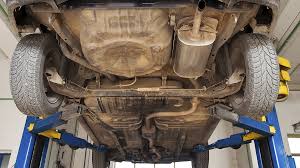
Undercoating is a protective coating applied to the underside of a vehicle. Its job is to help shield exposed underbody surfaces from moisture, road salt, brine, gravel, and other corrosive materials.
Undercoating is commonly applied to areas such as:
- Frame sections
- Wheel wells
- Floor pans
- Undercarriage panels
- Truck underbodies
The goal is simple: create a durable layer of protection between your vehicle and the road environment.
What Is Rust Proofing?
Rust proofing is a broader term that can refer to several methods used to slow or prevent corrosion. Depending on the product and process, rust proofing may include coatings, oils, cavity waxes, penetrants, or treatments designed to reach seams, cavities, and hidden areas.
In other words, rust proofing is often about treating areas where moisture can collect but where a traditional undercoating may not fully reach.
The Simple Difference
Here is the easiest way to think about it:
- Undercoating protects exposed underside surfaces.
- Rust proofing can include additional protection for seams, cavities, and hidden areas.
Both matter — especially in Northern Virginia, where winter road treatment can create a harsh environment underneath your vehicle.
Why Preparation Matters
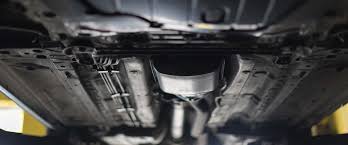
The biggest mistake is assuming any coating can simply be sprayed over anything. If a vehicle already has rust, especially heavy rust, the condition must be evaluated first.
Applying protection over loose rust, scale, or compromised metal can limit the effectiveness of the service. That is why APS often recommends inspection, surface preparation, or rust remediation before undercoating older vehicles.
Which One Do You Need?
The right approach depends on your vehicle.
Newer vehicles are usually the best candidates for preventative undercoating because the metal is still clean enough to protect before rust becomes established.
Older vehicles may need surface preparation, rust converter, or remediation before protection is applied.
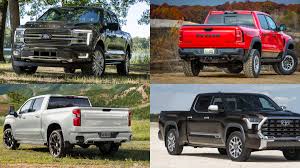
Trucks and SUVs often benefit from a more complete strategy because they have larger exposed underbody areas and are frequently used in harsher conditions.
Why Northern Virginia Drivers Should Care
Fairfax-area drivers deal with road brine, winter salt, heavy rain, humidity, traffic spray, and year-round moisture. Even if your vehicle looks clean from the outside, the underside may be collecting corrosive material.
The APS Approach
At APS, rust protection is not treated like a one-size-fits-all service. The condition of the vehicle matters. The age of the vehicle matters. How the vehicle is used matters.
That is why we look at undercoating as part of a broader vehicle protection plan.
Final Answer
Undercoating and rust proofing are related, but they are not identical. Undercoating protects exposed underside surfaces, while rust proofing can refer to a broader approach that includes hidden areas and corrosion-prone cavities.
The best solution depends on your vehicle’s condition, age, and long-term use.
Need help deciding what your vehicle needs?
View our undercoating service in Fairfax VA.
Want to see how rust protection fits into the bigger picture?
Visit the APS Protection Ecosystem.