
Automotive Detailing - Tips and Tricks
Taking care of your vehicle’s appearance is not vanity. It is part of responsible vehicle ownership.
You can hire an experienced detailer, maintain the vehicle yourself, or use a combination of professional and at-home care. Either way, the process matters just as much as the products.
If you are considering professional help, APS provides car detailing in Fairfax, Virginia for drivers who want more than a quick wash.
For a deeper explanation of interior detailing, exterior decontamination, paint correction, protection products, costs, and realistic results, read our complete guide to professional automotive detailing.
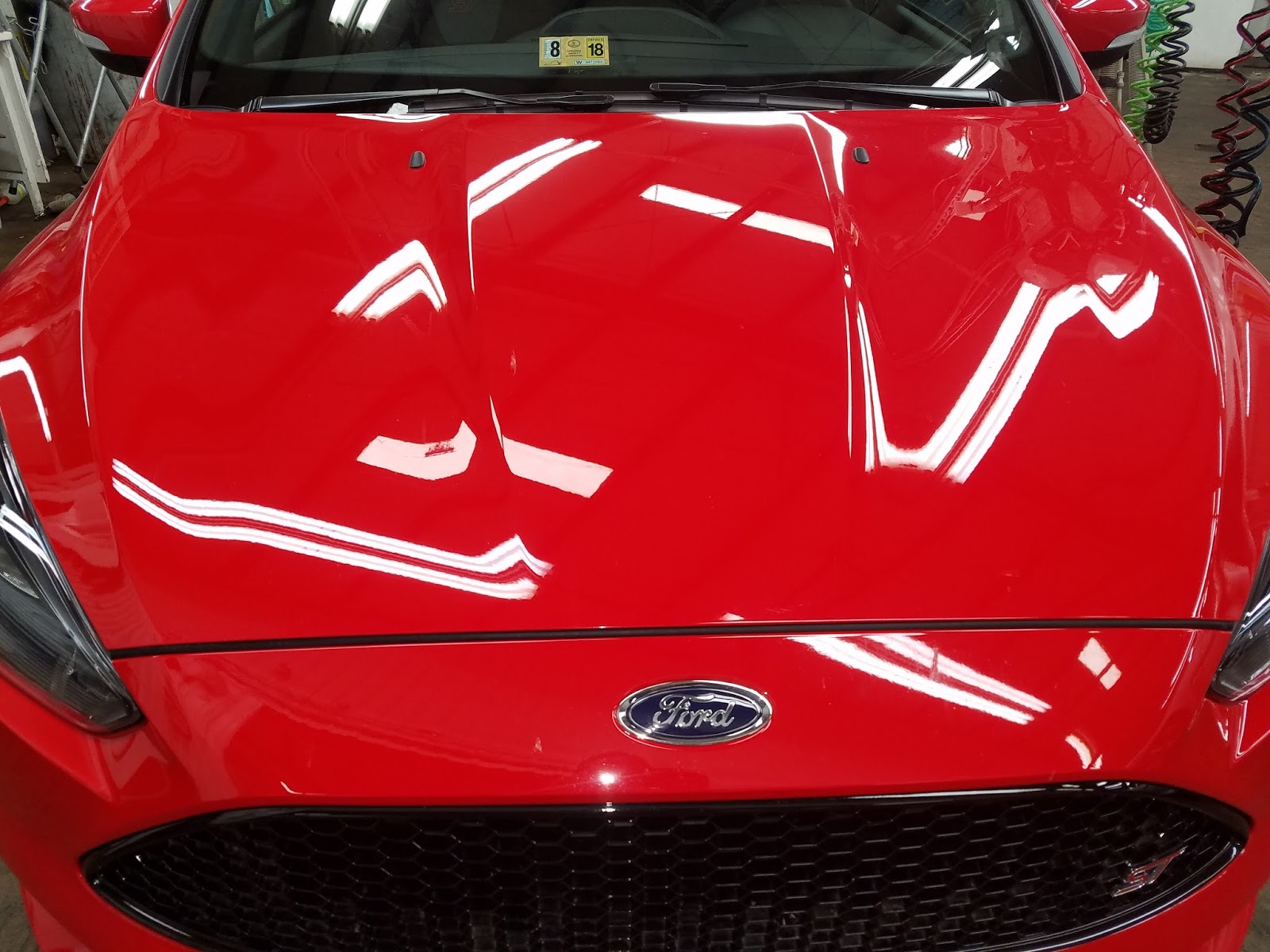
Professional Detailing vs. Doing It Yourself
DIY detailing can be satisfying and effective when you have the right products, enough time, and a clear understanding of the surfaces you are cleaning.
Professional detailing becomes especially valuable when the vehicle needs:
- Deep carpet or fabric extraction
- Heavy stain or pet-hair removal
- Exterior chemical and mechanical decontamination
- Paint-condition evaluation
- Machine polishing or paint correction
- Specialized protection products
- Careful treatment of delicate or unfamiliar materials
If you hire a detailer, ask what is included, how long the work will take, what results are realistic, and whether unusual conditions will create additional charges.
Good detailing is less about owning a shelf full of expensive chemicals and more about technique, patience, surface knowledge, and performing each step in the correct order.
Tip 1: Use a Two-Bucket Washing Method
A two-bucket method helps reduce the amount of dirt transferred back onto the paint.
Use one bucket for the wash solution and a second bucket for rinsing the wash mitt. After cleaning a section of the vehicle, rinse the mitt thoroughly before returning it to the wash solution.
Bucket grit guards can provide additional separation between the wash mitt and contamination that settles at the bottom.
Work from the cleaner upper surfaces toward the dirtier lower sections, and use separate tools for wheels and heavily contaminated areas.
Tip 2: Use Clean, Task-Specific Microfiber Towels
Professional detailers commonly use different microfiber towels for paint, glass, interiors, wheels, and dirty lower-body areas.
Color coding helps prevent a towel used on wheels, grease, or interior chemicals from later touching delicate paint or glass.
When washing microfiber towels:
- Separate heavily contaminated towels from paint towels
- Use an appropriate detergent without fabric softener
- Avoid dryer sheets
- Use low heat when machine drying
- Inspect towels for debris before returning them to service
Fabric softener and dryer-sheet residue can coat microfiber fibers and reduce their ability to absorb water and collect contamination.
Tip 3: Protect Exterior Trim Before Polishing
Wax, polish, and compound residue can stain textured black plastic trim.
Before machine polishing, clean the trim and protect sensitive edges with appropriate automotive masking tape. Some detailers also apply a compatible trim protectant before polishing, depending on the product and surface.
Avoid household masking tapes and products not designed for automotive surfaces. The goal is to prevent residue without damaging trim, paint, or adhesive-sensitive materials.
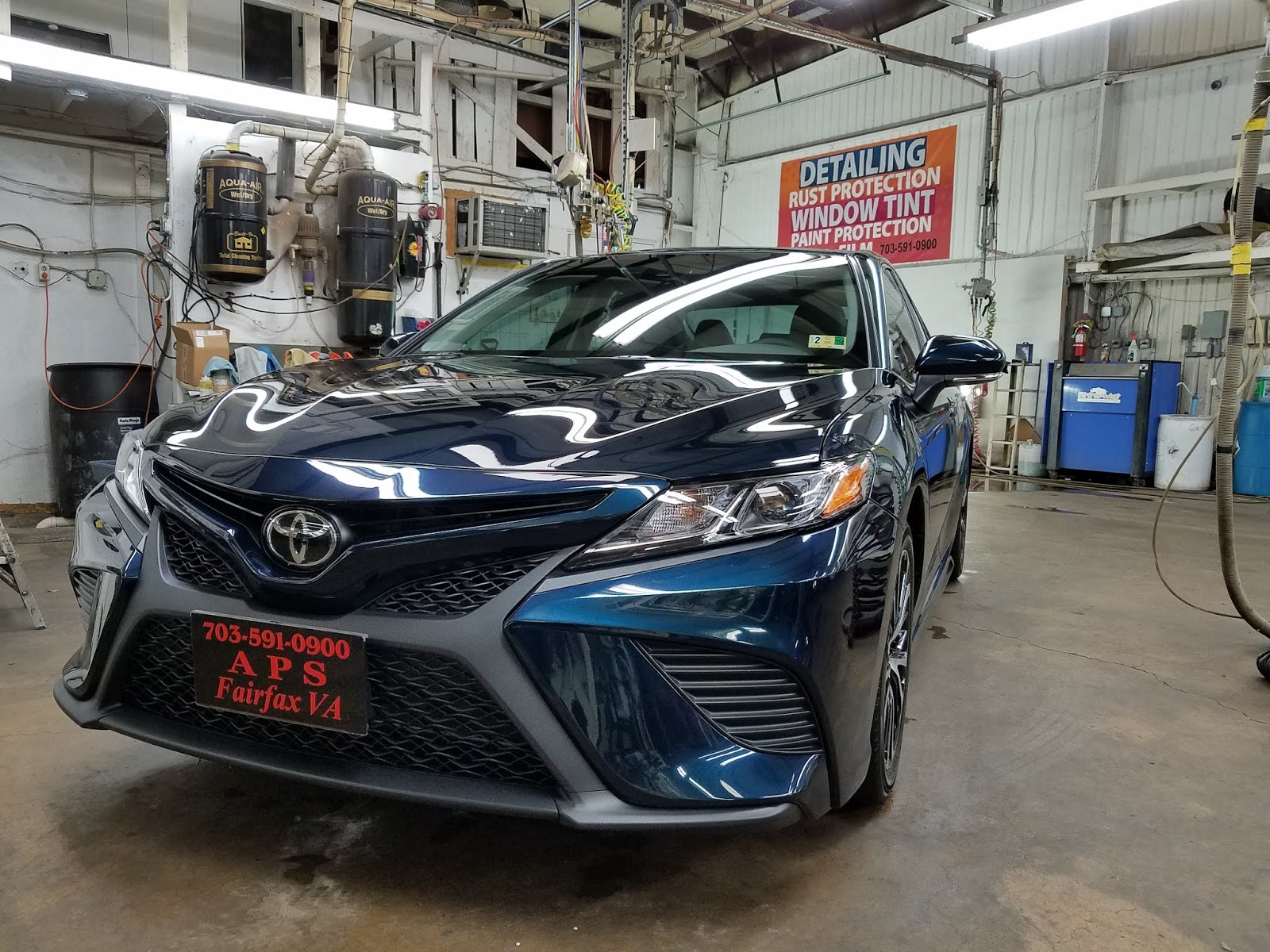
Tip 4: Apply and Remove Protection as Directed
Do not assume every wax, sealant, polish, or coating should be applied the same way.
Some products are designed for hand application. Others can be applied with a machine and suitable finishing pad. Certain products must cure or haze before removal, while others should be leveled almost immediately.
Follow the manufacturer’s instructions and begin with a small test area. Apply thin, even layers and use clean microfiber towels for removal or leveling.
More product rarely means more protection. Excess material generally makes removal harder and increases the possibility of streaking or residue.
Tip 5: Treat Machine Polishing as a Skilled Process
A dual-action polisher is generally more forgiving than a rotary machine, but it can still damage paint when used with the wrong pad, compound, speed, pressure, or technique.
Machine polishing removes a controlled amount of clear coat. It should therefore begin with:
- A clean and decontaminated surface
- A paint-condition inspection
- A small test section
- The least aggressive effective combination
- Care around edges, body lines, and repainted areas
Paint correction is a separate professional service at APS rather than an automatic part of a standard complete detail.
If a scratch catches a fingernail, it is generally too deep for APS to remove completely through polishing. Attempting to chase a deep defect can sacrifice too much clear coat without producing a safe result.
Tip 6: Use Clay Only When the Paint Needs It
Detailing clay and synthetic decontamination media can remove bonded contaminants that remain after washing.
Clay should be used with adequate lubrication and light pressure. If dropped on the ground, a traditional clay bar should be discarded because embedded debris can scratch the paint.
Claying can sometimes produce light marring, particularly on soft or dark paint. That is why professional detailers evaluate whether mechanical decontamination is necessary and whether polishing should follow.
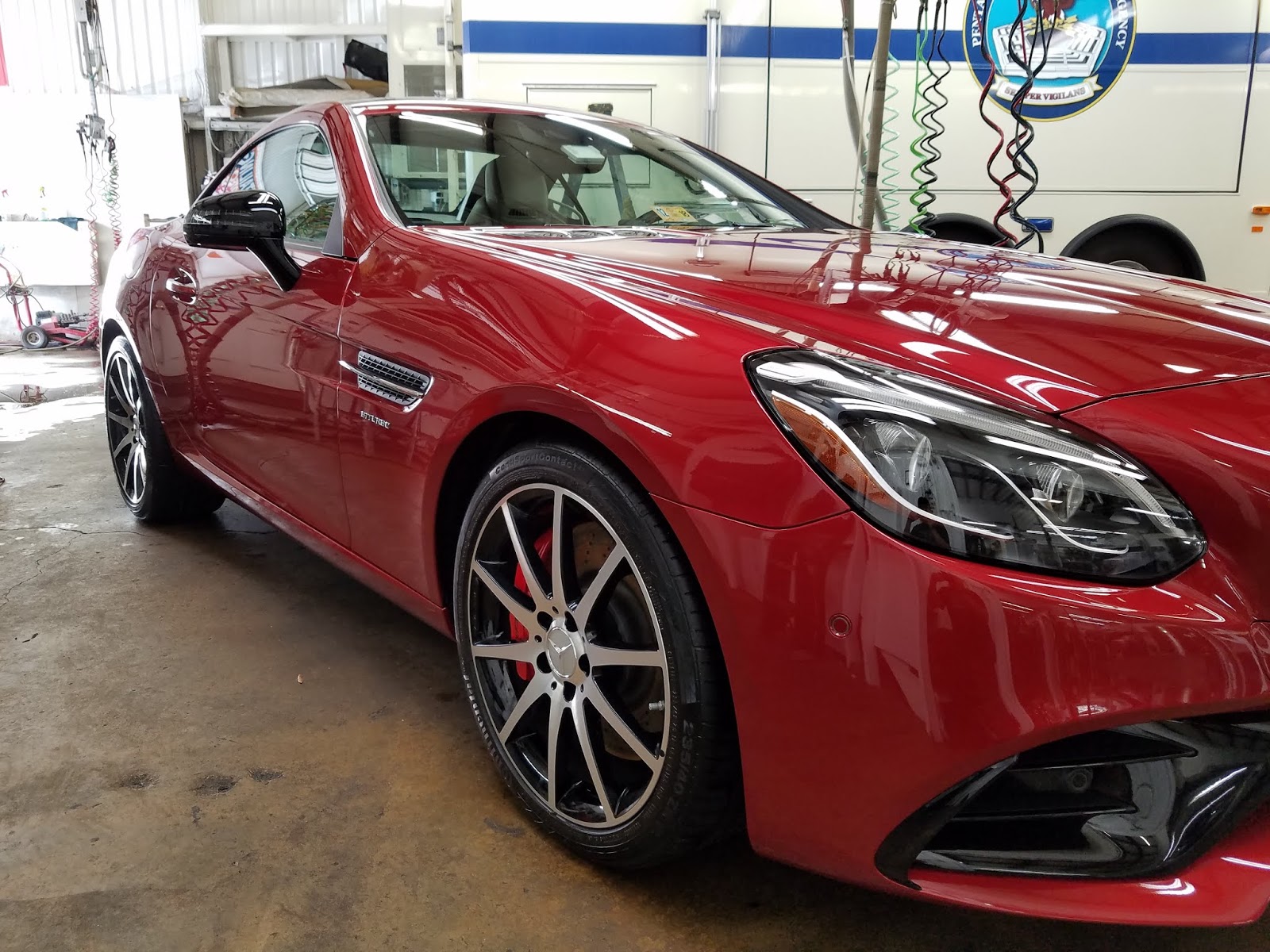
Tip 7: Use the Plastic-Bag Test Carefully
After washing the vehicle, place your hand inside a clean, thin plastic bag and gently move it across a lubricated or carefully selected test area.
The plastic amplifies the sensation of bonded contamination, helping you determine whether additional decontamination may be useful.
Do not perform this test on dirty or dusty paint. Dragging contamination across an unwashed surface can create scratches.
Once the surface has been properly decontaminated, it can be evaluated for polishing and an appropriate wax, polymer paint sealant, or ceramic coating.
Tip 8: Wipe Interior and Exterior Glass in Different Directions
Use one final wiping direction for interior glass and another for exterior glass.
For example, wipe the inside horizontally and the outside vertically. If a streak remains, its direction immediately tells you which side of the glass needs additional attention.
Use a clean glass towel and a cleaner appropriate for automotive glass and any installed window film. Avoid household products containing chemicals that may not be suitable for tinted windows.
Tip 9: Agitate Before Extracting
Mechanical agitation often loosens dirt more effectively than simply applying stronger chemicals.
Before vacuuming carpet, use an appropriate carpet brush to lift compacted fibers and release embedded debris. For interior panels, seats, and delicate materials, select softer brushes and begin with the gentlest effective method.
Always test cleaners in an inconspicuous area. Different fabrics, plastics, leather finishes, and coated surfaces can react differently to the same product.
Avoid saturating electronic controls, switches, perforated leather, seams, and areas where moisture can collect beneath the visible surface.
Tip 10: Loosen Pet Hair Before Vacuuming
Pet hair can become deeply woven into automotive carpet and upholstery.
Rubber pet-hair tools, nitrile gloves, suitable brushes, and compressed-air equipment can help loosen hair before vacuuming. Work carefully to avoid damaging delicate fabrics or forcing debris into vents and inaccessible areas.
Professional detailers may combine specialized brushes, high-pressure air, and powerful vacuum equipment for difficult pet-hair removal.
Because the labor required varies dramatically, significant pet-hair removal is normally priced according to the vehicle’s condition.
Tip 11: Be Extremely Careful With the Headliner
A vehicle headliner is typically made from fabric laminated to a foam backing and attached with adhesive.
Too much moisture, aggressive scrubbing, heat, or strong chemical treatment can weaken the adhesive and cause the headliner to sag or separate.
If spot cleaning is necessary, use minimal moisture and gentle pressure. Never saturate the material.
Older or already sagging headliners may be unsuitable for ordinary cleaning and should be evaluated before any work begins.
Knowing When to Call a Professional
Routine washing, vacuuming, glass cleaning, and light maintenance are reasonable DIY projects for many owners.
Professional assistance makes more sense when the vehicle has:
- Severe staining or heavy soiling
- Extensive pet hair
- Mold, bodily fluids, or potentially hazardous contamination
- Delicate, unfamiliar, or damaged materials
- Paint defects requiring machine correction
- Water spots, oxidation, or embedded exterior contamination
- A need for durable paint protection
An APS complete detail includes carpet and fabric-seat shampooing or extraction for a vehicle in typical condition. Heavy soiling, staining, pet hair, mold, bodily fluids, and extreme-condition vehicles require additional labor and are priced separately.
Detailing as Part of Long-Term Vehicle Protection
Detailing provides the clean foundation from which other protection decisions can be made.
After the vehicle has been cleaned and evaluated, an owner may consider wax, Polymer Paint Sealant, ceramic coating, paint protection film, window tint, or undercoating based on the surfaces and risks that matter most.
The APS Protection Ecosystem brings these services together around the vehicle’s condition, use, and the owner’s priorities.
Prefer to Leave the Details to APS?
APS provides interior, exterior, and complete detailing for cars, trucks, SUVs, daily drivers, family vehicles, and specialty vehicles in Fairfax, Virginia.
Complete detailing starts at $350 for cars and $399 for trucks and SUVs in typical condition. Please allow at least half a day. Additional cleaning and paint correction are priced separately.
Automotive Protection Services
3170 Draper Drive, Unit #8
Fairfax, VA 22031
(703) 591-0900
Related Posts

Car Detail Essentials: 12 Areas You’re Likely Forgetting
You've worked hard for hours washing your car, and as…
Car Detailing in Fairfax VA | The Satisfaction of Getting Your Vehicle Back
[siteorigin_widget class="WP_Widget_Custom_HTML"][/siteorigin_widget]
Is Ceramic Coating Actually Worth It?
[siteorigin_widget class="WP_Widget_Media_Image"][/siteorigin_widget]Ceramic Coating FAQ – Quick Answer What is ceramic…