From Drop-Ins to LINE-X: A Short History of Spray-In Bedliners
Before spray-in bedliners became a familiar option for Ford, Chevrolet, GMC, Ram, Toyota, and other pickups, truck owners relied on mats, wood panels, and molded plastic liners. Here is how truck-bed protection evolved into today’s professionally applied protective coatings.
Owners considering a modern spray-in bedliner in Fairfax, VA are benefiting from decades of advances in coating chemistry, equipment, surface preparation, and installer training.
The Early Days of Truck-Bed Protection
Pickup beds have always been exposed to demanding use.
Tools, lumber, landscaping materials, gravel, equipment, furniture, and loose cargo can scratch or damage painted truck-bed surfaces. Early owners used several practical methods to reduce that wear.
Common options included:
- Wood panels
- Rubber bed mats
- Temporary protective coverings
- Molded plastic drop-in liners
These products provided useful protection, but each had limitations.
A mat protected primarily the floor. Wood could retain moisture or deteriorate. A plastic drop-in liner could move against the painted surface, and dirt or moisture could collect beneath it.
Truck owners wanted protection that covered more of the bed and remained securely in place.
The Emergence of Spray-On Protection
During the 1980s, coating technology began providing another option: applying durable elastomeric material directly to the prepared truck-bed surface.
Instead of placing a separate liner inside the truck, the installer could create a coating that followed the contours of the bed.
This approach offered several potential advantages:
- Coverage across the floor, sidewalls, wheel wells, and bulkhead
- No separate plastic shell moving above the painted surface
- A textured finish providing additional cargo grip
- Custom application around the truck bed’s contours
- A durable sacrificial surface over the prepared original finish
The quality of the result depended—and still depends—on preparation, material selection, equipment, and application technique.
Rhino Linings Helps Establish the Category
Rhino Linings traces its American spray-on bedliner history to 1988, when founder Russell Lewis introduced a spray-applied polyurethane lining for pickup-truck beds.
The company helped demonstrate that professional protective coatings could provide an alternative to removable mats and molded plastic liners.
That early growth helped establish spray-on protection as a recognized truck-accessory category.
LINE-X Arrives in 1993
LINE-X was founded in 1993 after earlier development work involving spray-applied elastomeric coatings.
The first official LINE-X-branded location opened in Saskatoon, Canada, followed by expansion into the United States. LINE-X later developed a national franchise program and grew into a large professional installation network.
LINE-X became widely associated with fast-curing protective coatings applied using specialized plural-component spray equipment.
The technology allowed trained installers to apply material across complex truck-bed surfaces while controlling texture, coverage, and finish.
Advances in Bedliner Chemistry and Equipment
“Spray-in bedliner” does not describe one universal chemical formula.
Protective-coating systems may use polyurethane, polyurea, or hybrid chemistry. Products can differ in:
- Cure speed
- Flexibility
- Surface texture
- Ultraviolet stability
- Abrasion resistance
- Application equipment
- Required surface preparation
- Manufacturer warranty terms
Equipment and installer training evolved alongside the coatings.
Modern professional systems carefully control material temperature, pressure, mixing, application distance, spray pattern, and coverage. These variables influence the finished liner’s texture, consistency, and adhesion.
Factory and Dealer-Installed Bedliners Become Common
As customer demand increased, bedliners became available through more channels.
Truck buyers may now encounter:
- Factory-installed bedliner packages
- Port- or distributor-installed coatings
- Dealer-arranged installations
- Independent local bedliner specialists
- DIY roll-on or spray-on kits
Each option should be evaluated according to the actual product, coverage, preparation, warranty, and installer accountability.
The phrase “factory spray-in bedliner” does not identify one universal coating or installation specification across every vehicle manufacturer.
A local professional installer can also evaluate an existing truck, explain available options, and remain available if the owner has questions after installation.
Why Professional Preparation Matters
A durable coating must adhere to the truck-bed surface beneath it.
Professional preparation may include:
- Removing or protecting appropriate bed components
- Cleaning and degreasing the surfaces
- Preparing the factory finish for adhesion
- Masking adjacent panels carefully
- Protecting drains, fasteners, and openings as appropriate
- Inspecting for existing rust or damage
Insufficient preparation can contribute to adhesion failure, lifting edges, peeling, uneven coverage, or contamination trapped beneath the liner.
Application chemistry matters, but it cannot compensate for careless preparation.
What Modern Spray-In Bedliners Protect Against
A professionally applied bedliner is designed to help protect coated surfaces from:
- Scratches and abrasion
- Everyday cargo impacts
- Moisture contacting the coated truck-bed surface
- Wear from loading and unloading
- Damage caused by shifting tools and equipment
A bedliner does not make a truck indestructible. Severe impacts, sharp equipment, structural overloading, improperly secured cargo, and damage outside the coated surfaces can still affect the vehicle.
Cargo should always be loaded and secured appropriately.
From Protective Coating to Complete Truck System
Modern truck owners often combine a spray-in liner with other practical protection and accessory products.
- Tonneau covers help cover cargo and the truck bed
- Undercoating and rustproofing protect appropriate underbody and frame areas
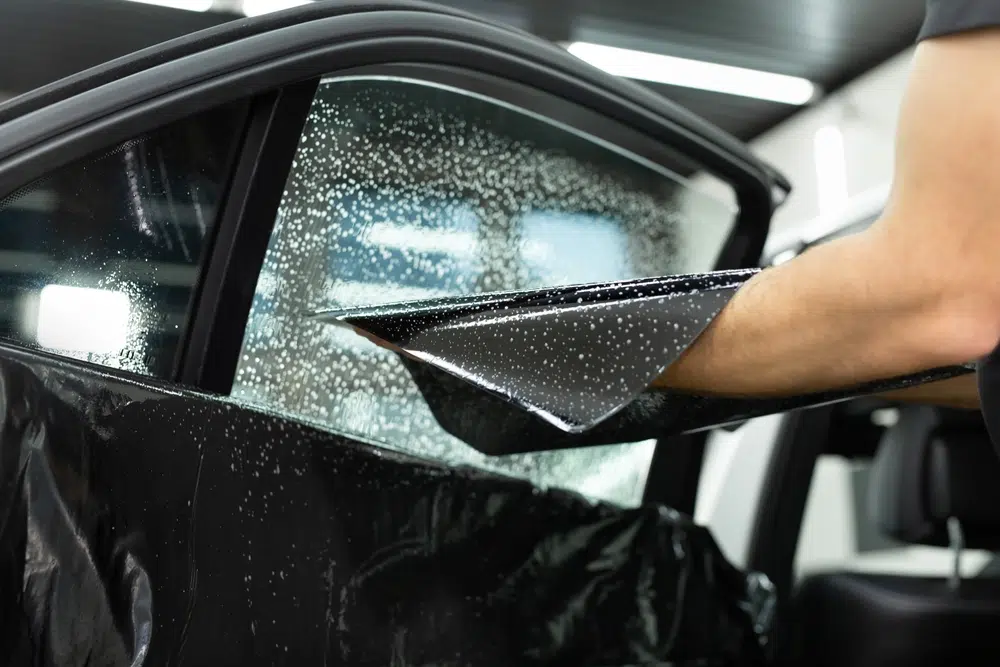
- Window tint improves cabin comfort and UV protection
- Paint protection film helps protect vulnerable painted surfaces
Each product has a different job. Together, they can form a broader truck-preservation strategy within the APS Protection Ecosystem.
The Evolution Continues
Truck-bed protection has progressed from loose wood and rubber mats to molded liners and professionally applied protective coatings.
The basic goal has remained the same: allow owners to use their trucks while reducing avoidable damage to the bed underneath.
Modern spray-in bedliners provide a durable, fitted solution, but the result still depends on choosing the right product and an experienced installer.
Give Your Truck Bed Modern Protection
APS provides professional spray-in bedliner installation in Fairfax, VA. We can inspect your truck bed, explain the available protection options, and recommend an installation based on how you use your pickup.
Questions? Call (703) 591-0900.
Related Posts
Rust Recovery in Fairfax VA | The Freedom to Keep the Story Going
[siteorigin_widget class="WP_Widget_Custom_HTML"][/siteorigin_widget]
Ceramic Coating in Fairfax VA | The Satisfaction of a Smart Investment
[siteorigin_widget class="WP_Widget_Custom_HTML"][/siteorigin_widget]
How Long Does Paint Protection Film Last?
[siteorigin_widget class="WP_Widget_Custom_HTML"][/siteorigin_widget]